Netherlands – investment bank fined €8.5m for compliance failures, including sanctions

The Dutch DNB has issued an administrative fine to ABN Amro relating to compliance failings.

The fine was reduced from €10m to €8.5m as part of a settlement with the bank.

The sanctions element relates to a number of the customers included within the DNB’s investigated sample. As part of the assessment of these client files it was determined that there was an unaddressed risk that some of the clients were involved with dual-use goods with some indicators that the bank’s customers were using intermediaries in high-risk jurisdictions to evade or circumvent the EU’s Russian sanctions. The bank was also criticised for undue reliance on uncorroborated client declarations.

Estonia – details of 5 criminal convictions for sanctions breaches

The Estonian case law website has made available a number of further judgments relating to convictions for sanctions offences:

Case 1. Judgment dated October 6, 2025

This case was the prosecution of Mati-Dmitri Terestal (see our earlier post). It was alleged that he, and another, had made economic resources and find available to a designated person who was the head of Yle1 (a Russian state-owned media outlet). It was alleged that Terestal continued to operate the media outlet after it had been closed, through a front entity and had continued to provide economic resources in the form of technical equipment, and other assets.

It was also alleged that by hiring staff for the company this was making economic resources available to Yle1, as was the creation of web domains.

The County Court had convicted Terestal in January 2025, and sentenced him to 2 years and 4 months, this was suspended for three and a half years. He was also fined €7882.92.

The District Court disagreed with the County Court on a number of issues (including whether hiring staff without more amounted to the making available of an economic resource, but upheld the conviction. The sentence was unchanged.

The decision includes a discussion of the characteristics of control for asset freeze purposes.

Case 2. Judgment dated January 21, 2026

The prosecution entered into an agreement with the defendants that was upheld by the court following guilty pleas by the defendants.

The defendants (a company and a director that company) had set out to create a fake network of transactions and sales in order to import bitumen from Russia in breach of the EU’s sanctions. The fake transactions involved front companies in a range of jurisdictions including Kazakhstan and Hong Kong. One member of staff (who was either not prosecuted or separately prosecuted) had the role of maintaining a watching brief on changes to the EU’s sanctions in order to develop changes to the methodology for masking the Russian imports.

The company, Keystone Shipping OÜ, was fined €250,000, ordered to pay costs of €61,928.18 and had bitumen valued at €179,200 confiscated.

Andrey Kolesnikov, the sole director of the company, was fined €32,110 and costs of €1,329.

Case 3. Judgment dated March 6, 2026

The case was an appeal to the District Court from a judgment of the County Court which had found two men guilty of attempting to export a BMW car to Russia in breach of the EU’s sanctions against the export of luxury goods. Vladimir Palamarchuk was fined €3000 and Igor Palamarchuk was fined €2000. In addition the car, valued at over €50,000, was confiscated as the proceeds of crime.

The appeal, which was largely based on whether the car exceeded the 50,000 threshold, was denied and the fines and confiscation upheld.

The judgment relied on the EU’s FAQs in relation to the process for determining the price of an exported good.

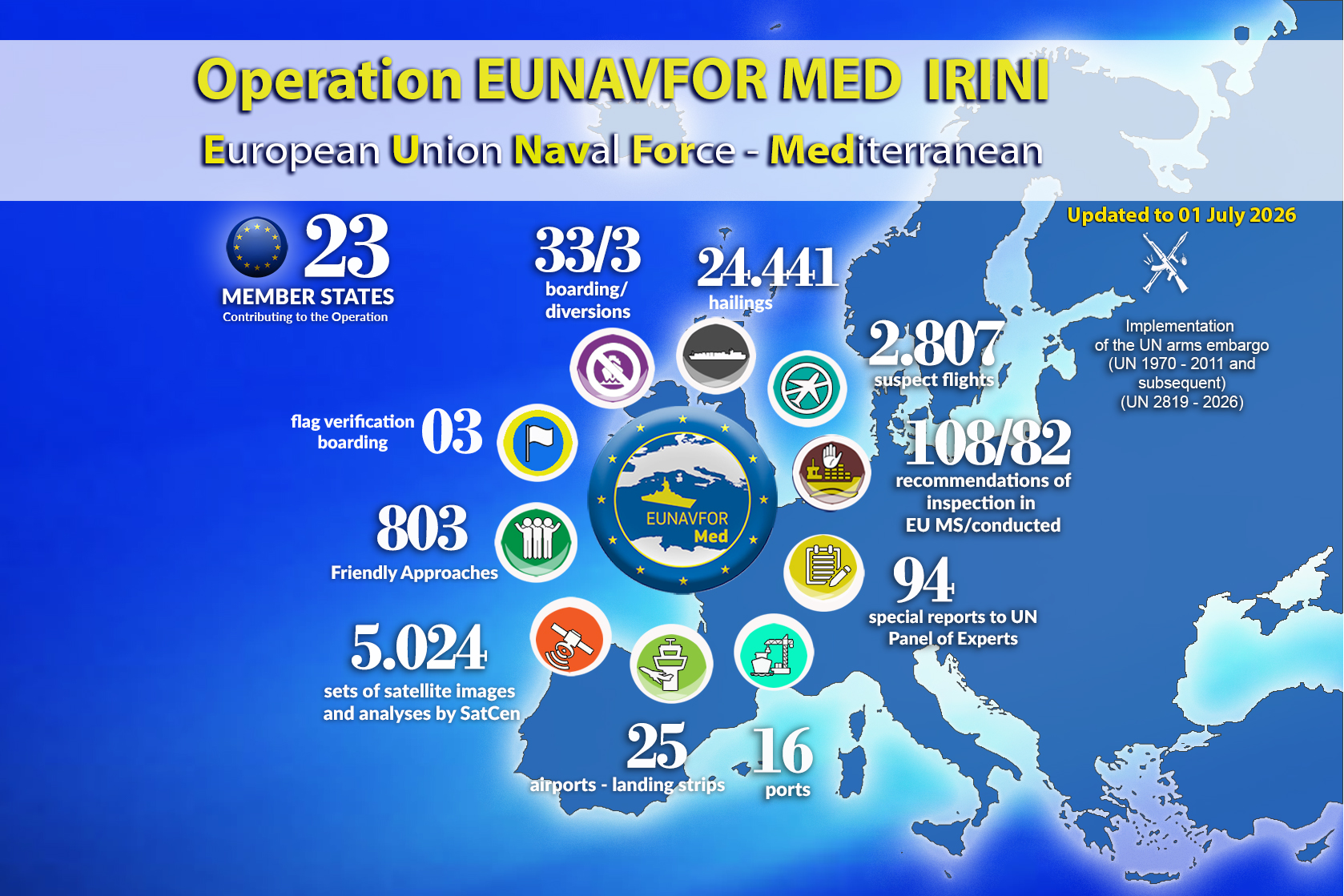
France – guilty plea for Tagor tanker owner leads to €1m fine and release

Further to our earlier post regarding the detention by the French authorities of the oil sanctioned shadow fleet tanker, the Tagor, on 2 July, the company owning the vessel pleaded guilty in a Brest court to failing to be flagged and a refusal to comply with an order.

The company was fined, and paid, a fine of €1m. Upon payment the vessel was released and the is now sailing for Istanbul.

Our European Vessel Seizure Tracker has been updated.

Germany – mid trial guilty pleas for two charged with 65 equipment shipments to Russia

Further to our earlier post, mid trial two brothers have pleaded guilty to breaching the EU Russian sanctions as part of an agreement with the prosecution.

They were accused of shipping 65 consignments of engineering and industrial equipment to Russia valued at €830,000 between 2023 and 2024.

As part of the agreement both men have accepted that they face 4 year custodial sentences. The verdict of the court is awaited.

The father of the two men is being separately prosecuted.

Finland – conviction for Russian truck exports with 3 years and 8 months jail and €6.6 million confiscated

Further to our earlier posts (here, and here, and here), Risto Riihimäki has been convicted of aggravated sanctions breaches for his role in the export of 135 trucks to Russian in breach of the EU’s sanctions.

The trucks were declared to be transiting through Russia, but that was actually their final destination.

Mr Riihimäki was the CEO of the company Idän liikennevälitys IL Oy, and he has been sentenced to jail for three years and eight months, just below the 4 year maximum sentence for the offence under Finnish law.

In addition, the court has imposed confiscation order for €608,275 against Mr Riihimäki as the proceeds of crime, and a confiscation order against the company for profits it obtained from the exports in the sum of €6m. The company was also fined €10,000.

Although two other employees had originally been the subject of the investigation, ultimately they were not charged.

The conviction and sentence remain subject to appeal.

UK – compound penalty of £569,157 imposed on named energy company

The UK’s HM Revenue and Customs has announced the imposition of a compound penalty of £569,157 on Petrofac Facilities Management Limited.

This is the first time, in a long time, that HMRC has named the recipient of a compound penalty.

The breaches took place in 2022 and 2023 with the company supplying prohibited goods to individuals connected with Russia and also providing technical assistance in relation to those goods.

The company subsequently self-reported and cooperated with the investigation.

The change in naming policy is addressed:

Naming those involved brings us into line with other enforcement partners whilst sending a clear message on the consequences of breaching sanctions rules.”

The Notice further states that “Where appropriate, HMRC will now include naming as a condition when offering a compound settlement for strategic export and sanctions offences“. It appears that naming will now become more common if not done universally.

The Notice also gives helpful guidance on when HMRC will consider a compound penalty rather than prosecution, noting that a penalty will only be pursued where HMRC considers it has enough evidence to prosecute, and other considerations, including:

  • the seriousness of the alleged offence;
  • whether fraudulent intent can be proven;
  • the extent of the efforts to perpetrate the alleged offence;
  • the type and value of any goods involved;
  • the offender’s previous history;
  • the extent to which the offender has co-operated with any investigation; and
  • the level of financial penalties known to have been imposed by courts for similar offences.

Moldova – raids on company exporting dual-use goods to Russian military

Moldova’s Information and Security Service and Prosecutor’s Office for Combating Organized Crime and Special Cases, have conducted raids on the premises of Comelpro SRL.

The company is alleged to have exported technical equipment used in the propulsion systems of YAK-130 and SU-27 aircraft for the Russian military before sanctions were imposed, and then continued to do so by relabelling the exported products as “waste processing devices”, and declaring that the goods were being shipped to a front company in Russia.

The value of the exports is reported to be 21 million lei (approximately €1.03m).

Lithuania – sanctions enforcement statistics and €6.2m in fines for 2025

Lithuania’s Financial Crimes Investigation Service has issued a summary of its work for 2025, as well as a more detailed report (see pages 45-46) that includes the following:

  • 232 suspicious activity reports from financial institutions related to suspected breaches or circumvention of sanctions;
  • 77 of these were reported to other competent bodies in Lithuania or in other EU member states;
  • 45 inspections from the International Sanctions Implementation Commission;
  • €6,236,375.46m in fines for 2025 across 12 cases;
  • In addition:
    • in 2025, 27 cases were dealt with administratively with fines in these minor cases totalling more than €32,150
    • in 2024, 19 cases were dealt with administratively with fines totalling €28,000
    • in 2023, 12 cases were dealt with administratively (the value of the fines is not given)

The report also notes that 1 of the cases related to public procurement, 1 to the failure to provide information, 5 to circumvention, and 20 to the use of a bank designated by the EU.

Finland – trial begins in prosecution for exporting trucks and trailers to Russia

Further to our earlier post regarding the prosecution for exporting 135 trucks and 29 trailers from Finland to Russia, it is being reported that the criminal trial has started this week in Helsinki.

The prosecution are seeking a four year jail term for the individual and a fine for the company involved.

It is alleged that in 2022 and 2023 the vehicles were declared as bound for Kazakhstan and Türkiye and only transiting via Russia, but were actually exported to Russia.

© 2009- Duane Morris LLP. Duane Morris is a registered service mark of Duane Morris LLP.

The opinions expressed on this blog are those of the author and are not to be construed as legal advice.

Proudly powered by WordPress